 How-to
Preventing Basement Flooding in South Windsor Homes: A Practical Plan
Last Updated: November 25, 2026
Quick Summary
Preventing basement flooding in South Windsor homes means managing water in three places: roof and surface drainage pushing water toward your foundation, sewer connections that can back up into your floor drain, and the sump system that catches what gets past both. Keep water away from the house first, then manage what still arrives.
- Clear eavestroughs and discharge downspouts well away from the foundation.
- Confirm the ground slopes away from the walls on every side.
- Test the floor drain and confirm a backwater valve on the sanitary line.
- Test the sump pump every spring and again in late fall.
- Check whether your municipality offers a basement flood protection program before booking work.
Table of Contents
- How do you prevent basement flooding in South Windsor homes?
- Your basement flood prevention checklist
- Sump pump maintenance that actually holds up
- Frequently Asked Questions
How do you prevent basement flooding in South Windsor homes?
Preventing basement flooding in South Windsor homes means managing water in three places: roof and surface drainage pushing water toward your foundation, sewer connections that can back up into your floor drain, and the sump system that catches what gets past both. Keep water away from the house first, then manage what still arrives.
Your basement flood prevention checklist
- Clear eavestroughs and check that downspouts discharge well away from the foundation
- Confirm the ground slopes away from the walls on every side
- Test the floor drain and confirm a backwater valve is installed on the sanitary line
- Run the sump pump manually and watch how fast the pit refills
- Seal visible foundation cracks and monitor damp patches after heavy rain
- Check whether your municipality offers any basement flood protection program before booking any work
Some municipalities run cost-sharing programs for certain flood-protection work, so check with your local government before work begins. If water is already coming in, deal with that first. Read more about flood and water damage restoration, and if you suspect hidden moisture, thermal imaging can locate it without cutting anything open.
Work through these checks to keep water away from your foundation and manage what still arrives.
| Check | What to do |
|---|---|
| Eavestroughs and downspouts | Clear them and discharge well away from the foundation |
| Ground slope | Confirm it slopes away from the walls on every side |
| Floor drain and backwater valve | Test the drain and confirm a backwater valve on the sanitary line |
| Sump pump | Run it manually and watch how fast the pit refills |
| Foundation cracks | Seal visible cracks and monitor damp patches after heavy rain |
| Municipal programs | Check for basement flood protection programs before booking work |
Sump pump maintenance that actually holds up
Sump pump failures are often predictable: a stuck float, a seized impeller, or a power outage during a storm. Test the pump every spring before the thaw and again in late fall by pouring a bucket of water into the pit and watching it kick in and shut off cleanly; if it hums without pumping, the impeller or check valve is the problem.
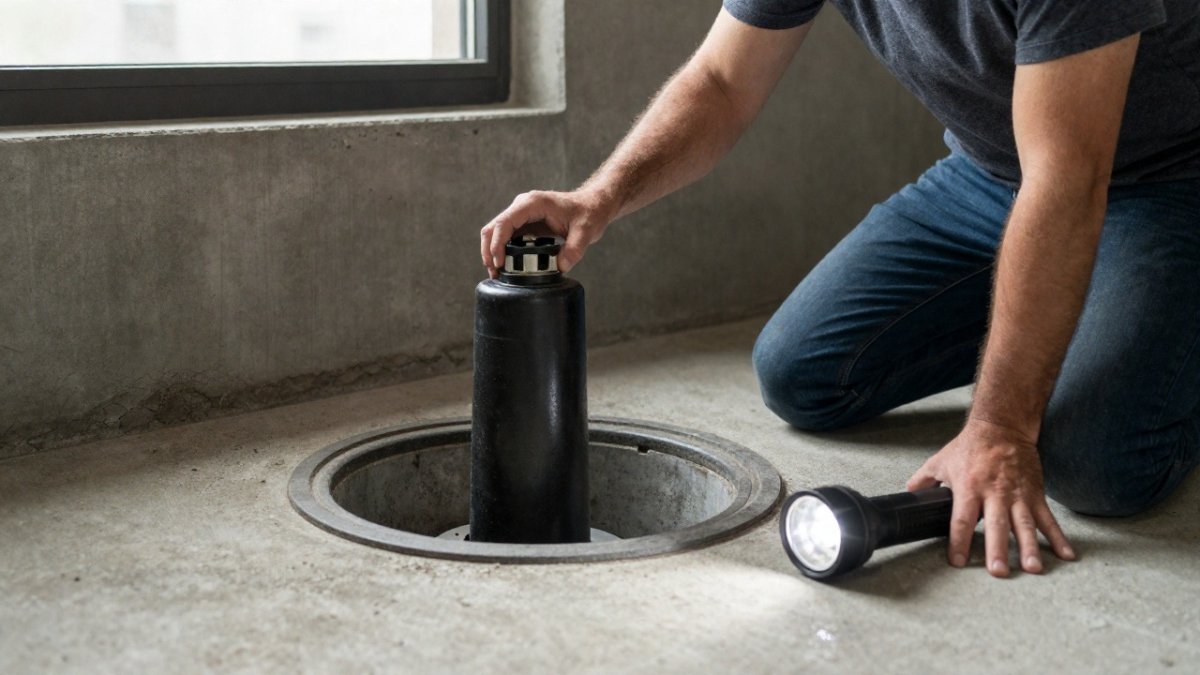
Battery backup is a part many people skip, and it can help keep the basement dry when the power goes out mid-storm. Our 24/7 emergency plumbing and sump pump service covers installation and emergencies. Never test a sump pump by running it dry, a few seconds without water can burn out the motor. For the full picture, see sump pumps and basement flooding and basement waterproofing.
A flooded basement is a problem you can get ahead of, but only if the work happens in the right order. Rose City Pros provides sump pump installation and repair, drain cleaning and water damage restoration across Windsor and Essex County, with 24/7 emergency response. Call (226) 280-7790 and get started with Rose City Pros to protect your basement before the next heavy rain.
Frequently Asked Questions
How can I prevent my basement from flooding during heavy rain?
Start outside: clear eavestroughs and downspouts, extend discharge well away from the foundation, and check that lot grading slopes away from the walls. Inside, keep a backwater valve on the sewer lateral and test the sump pump before storm season. A basement flood prevention checklist helps you cover both sides in order, so surface water and sewer backup are handled separately rather than with one fix.
How often should I test my sump pump?
Test it every few months and before heavy rain season by pouring a bucket of water into the pit to confirm the float triggers and the pump empties it. Sump pump maintenance also means clearing debris from the pit, checking the discharge line for freezing or blockages, and confirming the pump has backup power. If it runs but moves little water, the intake may be clogged or the pump is nearing the end of its life.
Are there local programs that help pay for basement flood protection?
Some municipalities run flood protection cost-sharing programs. Eligibility, limits and approval requirements vary by program, so check current terms with your local government before work starts. Keep receipts and photos, confirm the contractor's qualifications, and check current terms directly with the program before booking any work.